Pros and Cons of electric vehicles – is it worth the switch?
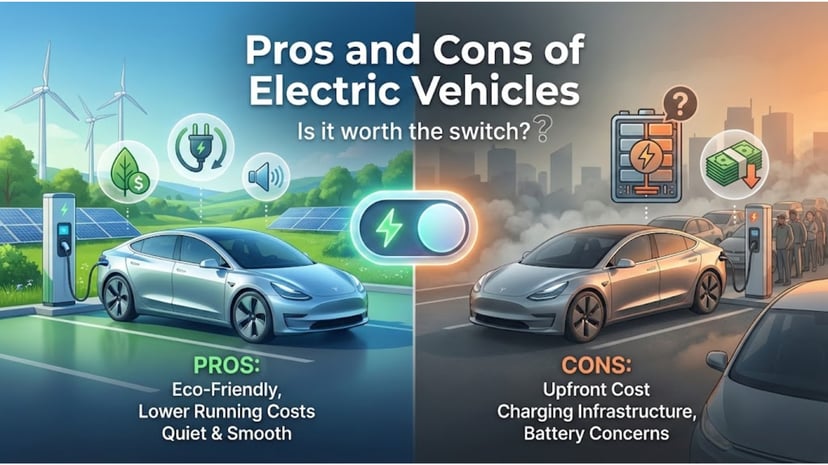 Here's What To Consider When Buying Electric Vehicles
The rise of electric vehicles (EVs) has reshaped the way we think about transportation. With an increasing focus on sustainability, fuel efficiency, and reducing carbon emissions, EVs are quickly becoming the go-to option for many drivers worldwide. But while the advantages of electric vehicles seem promising, they come with a set of challenges that could affect your decision to make the switch.
In this article, we’ll explore the pros and cons of using electric vehicles, helping you weigh the benefits and potential drawbacks to make an informed choice about whether an EV is right for you.
The Pros of Using Electric Vehicles
Electric vehicles are gaining popularity, especially in regions like the Philippines, where the push for greener, more sustainable transportation options is becoming stronger. Here are some of the key benefits of switching to an EV:
1. Environmental Benefits
One of the most significant pros of electric vehicles is their positive environmental impact. Unlike traditional gasoline-powered vehicles, EVs produce zero tailpipe emissions, which helps to reduce air pollution and the carbon footprint. By driving an EV, you contribute directly to a cleaner, greener environment, which is critical in cities facing traffic congestion and high pollution levels, such as Metro Manila.
Reduction in greenhouse gases: EVs help reduce CO2 emissions, which are a major contributor to climate change.
Lower carbon footprint: EVs require less energy to operate, especially if charged with renewable sources like solar or wind power.
2. Lower Operating Costs
When it comes to the day-to-day costs of operating an EV, electric vehicles are much cheaper to run than their gasoline counterparts. Here’s why:
Lower fuel costs: Charging an EV is significantly cheaper than refueling a car with gasoline. The cost of electricity is much lower than gasoline, and many EV owners use home chargers, which adds to the convenience and savings.
Lower maintenance costs: EVs have fewer moving parts compared to internal combustion engine (ICE) vehicles. As a result, there’s less wear and tear on components like the engine, transmission, and exhaust system. This leads to lower maintenance and repair costs over the vehicle's lifespan.
3. Instant Torque and Smooth Ride
One of the unique characteristics of EVs is the instant torque provided by electric motors. This translates into a smooth and responsive driving experience, offering acceleration that is quick and seamless. Many drivers appreciate the quietness of the ride, as electric motors do not make the noise that internal combustion engines do.
4. Government Incentives
Governments around the world, including the Philippines, are offering incentives to encourage the adoption of electric vehicles. These incentives can make owning an EV more affordable and accessible:
Tax breaks: EV buyers may be eligible for tax rebates or deductions on their purchase.
Subsidies for charging infrastructure: Some countries provide financial support for setting up EV charging stations.
Exemptions from certain fees: In some areas, EV owners may be exempt from road taxes or congestion charges.
5. The Future of Mobility
As governments and automakers ramp up their efforts toward making transportation more sustainable, the future of electric vehicles looks brighter. More EV models are being released, including affordable options for different budgets, making EVs more accessible to a wider audience.
The Cons of Using Electric Vehicles
While EVs offer numerous benefits, they come with their own set of challenges. Let’s explore some of the downsides of using electric vehicles:
1. Higher Initial Purchase Price
One of the biggest drawbacks of electric vehicles is their higher upfront cost. Even though the price of EVs is gradually decreasing as technology advances, electric vehicles tend to cost more than traditional vehicles with similar features and capabilities. This is mainly due to the expensive battery technology used in EVs.
However, the price difference between EVs and traditional cars is narrowing, and with the help of government subsidies, the overall cost of purchasing an EV has become more manageable.
2. Limited Driving Range
Despite significant improvements in battery technology, many electric vehicles still face the challenge of range anxiety. Most EVs can travel between 150 to 370 kilometers on a full charge, depending on the model. For drivers who often take long road trips or live in areas without widespread charging infrastructure, this can be a significant inconvenience.
However, with the development of longer-range EVs and expanding charging networks, this issue is gradually being addressed.
3. Charging Infrastructure Challenges
While the availability of charging stations is growing, it’s still not as widespread or convenient as refueling stations for gasoline cars. In some areas, especially in rural parts of the Philippines, there may be limited access to charging facilities. This lack of infrastructure can make long-distance travel or everyday use more challenging for EV owners.
4. Charging Time
Even though fast chargers are available, recharging an electric vehicle still takes significantly longer than filling up a gas tank. Charging times can vary based on the type of charger being used:
Standard chargers: Can take up to 8–12 hours to fully charge an EV.
Fast chargers: Can charge an EV up to 80% in about 30 minutes, but they are less common and more expensive.
This can be an inconvenience for drivers who are in a hurry or don’t have access to fast chargers.
5. Battery Lifespan and Replacement Costs
EV batteries are designed to last for many years, but like all batteries, they degrade over time. Eventually, you may need to replace the battery in your EV, which can be expensive. The cost of replacing a battery depends on the make and model of the EV, but it can range from PHP 60,000 to PHP 300,000 or more.
Expert FAQ Section
1. Are electric vehicles more expensive than regular cars?
Yes, electric vehicles generally have a higher upfront cost due to expensive battery technology. However, over time, they save money on fuel and maintenance.
2. How long does it take to charge an electric vehicle?
Charging time varies. With a standard charger, it can take 8-12 hours to fully charge an EV. Fast chargers can provide 80% charge in about 30 minutes.
3. What is the lifespan of an electric vehicle battery?
Most EV batteries are designed to last for 8 to 10 years or 100,000 to 150,000 kilometers. However, battery performance gradually declines over time, and it may need to be replaced after several years.
4. Can I drive an electric vehicle long distances in the Philippines?
While range anxiety is a concern, newer models offer greater range. Still, long-distance driving can be challenging depending on available charging stations. The infrastructure for EVs in the Philippines is growing but may still be limited in some areas.
5. Are there government incentives for electric vehicles in the Philippines?
Yes, the Philippine government offers tax incentives, exemptions from certain fees, and financial assistance for setting up EV charging stations to promote electric vehicle adoption.
Why Choose Motorist Philippines to Sell Your Car?
If you’re thinking about upgrading to an electric vehicle, Motorist Philippines makes it easy for you to sell your car for the best price. Here’s why:
Free car valuations: Get a free, instant car valuation online and know exactly how much your car is worth before selling.
Hassle-free selling process: We connect you with verified buyers to make the process seamless and quick.
Expert advice: Our team provides expert advice to help you make the best decision for upgrading to an electric vehicle.
Visit www.motorist.ph today to get the best deal for your car and find out how easy it is to switch to a more sustainable, electric future.