2026 Fuel prices in Philippines: impact on used cars
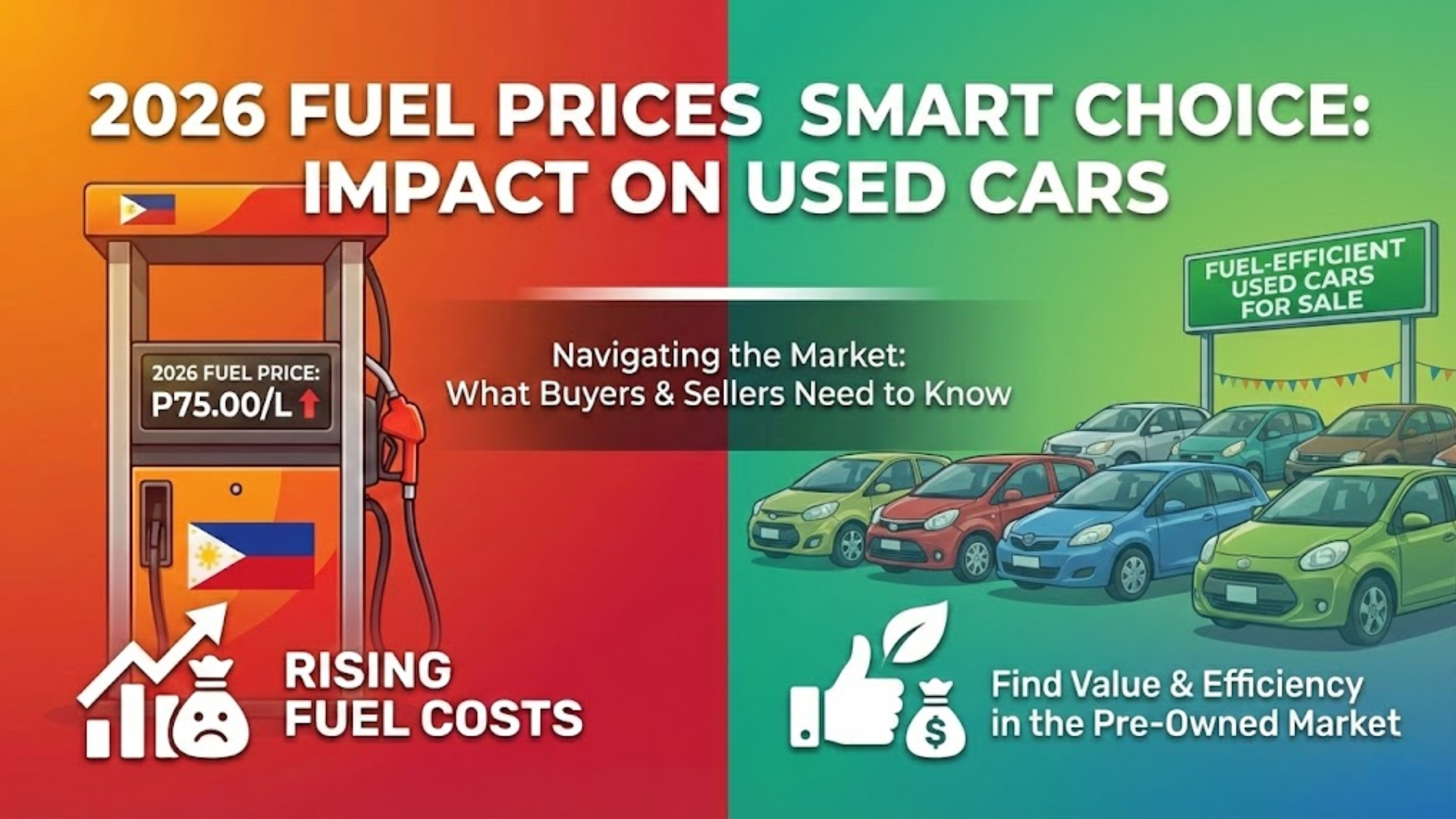
2026 PH Fuel Prices: How Rising Costs Affect Used Car Value
Fuel prices in the Philippines continue to fluctuate in 2026, and for many car owners, every trip to the petrol station feels more expensive than before. Rising fuel costs do not just affect daily driving expenses. They also quietly influence buyer demand, resale value, and how fast a used car can be sold.
If you own a car—especially one that consumes more fuel—understanding how fuel prices impact the used car market is critical. This guide explains how rising fuel prices affect used car value, which vehicles are most affected, and when selling may be the smarter financial move.
Why Fuel Prices Matter in the Used Car Market
Fuel costs are one of the first things buyers consider when shopping for a car. When petrol prices rise, buyers become more cost-conscious and shift their preferences toward vehicles that are cheaper to run.
Higher fuel prices influence:
Monthly ownership costs
Long-term affordability
Vehicle demand in the used market
As fuel prices climb, cars that are expensive to operate often lose appeal faster than fuel-efficient alternatives.
What’s Driving Fuel Prices in the Philippines in 2026
Fuel prices in 2026 are affected by global oil supply, currency fluctuations, geopolitical events, and local fuel taxation. Even when prices stabilize temporarily, long-term trends show that fuel costs remain unpredictable.
For car owners, this uncertainty makes budgeting harder and increases the total cost of ownership, especially for vehicles with high fuel consumption.
How Rising Fuel Prices Affect Used Car Value
Fuel-Efficient Cars Gain More Buyer Interest
When fuel prices rise, buyers actively seek vehicles that help them save on running costs. Compact cars, hybrids, and fuel-efficient sedans often become more desirable in the used market.
These vehicles tend to:
Sell faster
Hold value better
Receive stronger offers
Owners of fuel-efficient cars may benefit from selling while demand remains strong.
High Fuel Consumption Cars Face Stronger Price Pressure
Vehicles with larger engines or poor fuel efficiency are usually hit hardest when fuel prices increase. Buyers either avoid these models or expect significant discounts to offset future fuel expenses.
As a result, owners may receive:
Lower offers
Longer selling times
More aggressive negotiations
The longer fuel prices remain high, the more pressure builds on resale value.
Which Cars Are Most Affected by Fuel Price Increases
Large SUVs and Older Models
Older vehicles and large SUVs typically consume more fuel and lack modern efficiency technology. As fuel prices rise, these models often see faster depreciation in the used market.
Buyers may still be interested, but only at reduced prices that reflect higher operating costs.
Diesel vs Petrol Vehicles
Diesel vehicles may retain appeal for drivers who prioritize torque and long-distance travel, but fluctuating diesel prices can still impact demand. Buyers compare fuel costs carefully, making efficiency a deciding factor.
Hybrid and Alternative Fuel Vehicles
Hybrid vehicles often benefit the most during periods of rising fuel prices. Their lower fuel consumption makes them attractive to budget-conscious buyers, helping them maintain stronger resale value.
Rising Fuel Costs Change Buyer Behaviour
Fuel prices influence not just what buyers want, but how they negotiate. Buyers today calculate long-term costs more carefully and use fuel consumption as leverage when making offers.
This shift means sellers must price realistically or risk losing serious buyers to more fuel-efficient alternatives.
Should You Sell Your Car Because of Fuel Prices?
When Selling Makes Sense
Selling may be the right move if:
Your fuel expenses keep increasing
Your car no longer fits your budget
You are considering switching to a more efficient model
Maintenance and fuel costs combined feel unsustainable
Selling earlier helps you avoid deeper depreciation if fuel prices remain high.
When Holding May Still Be Worth It
If your car is already fuel-efficient and well-maintained, holding may still make sense. These vehicles often remain attractive even during periods of high fuel costs.
Understanding your car’s position in the market helps guide the decision.
Timing Matters More Than Ever in 2026
Rising fuel prices tend to accelerate market shifts. Once buyers fully adjust their preferences, resale values for less efficient cars can drop quickly.
Selling before this shift becomes permanent often results in better offers and faster transactions.
How to Protect Your Car’s Value Before Selling
Preparing your car properly becomes more important in a fuel-sensitive market. Buyers look for proof that ownership costs are manageable.
Showing good maintenance records, honest fuel consumption figures, and realistic pricing improves buyer confidence and helps offset fuel-related concerns.
Expert FAQ Section
1. Do high fuel prices lower used car prices in the Philippines?
Yes. Rising fuel prices reduce demand for fuel-hungry vehicles and increase demand for fuel-efficient cars.
2. Which cars hold value best when fuel prices rise?
Fuel-efficient cars, hybrids, and newer models tend to retain value better during periods of high fuel costs.
3. Should I sell my car if fuel prices keep rising?
If fuel costs significantly affect your budget, selling earlier may help preserve resale value.
4. Will fuel prices continue to affect resale value long-term?
Fuel costs strongly influence buyer behaviour, making efficiency an ongoing factor in used car pricing.
5. How can I know if now is the right time to sell?
Getting a professional valuation based on current market demand provides the clearest answer.
Sell Smart Despite Rising Fuel Prices with Motorist Philippines
Rising fuel prices are changing how buyers choose cars in 2026. Knowing when to sell—and where—can make a major difference.
With Motorist Philippines, you get:
Trusted sell car services
Free car valuation based on real buyer demand
A transparent and hassle-free selling process
If fuel costs are making car ownership harder, now may be the right time to reassess.