DOTr Clean Audit 2026: Metro Manila Transport Projects
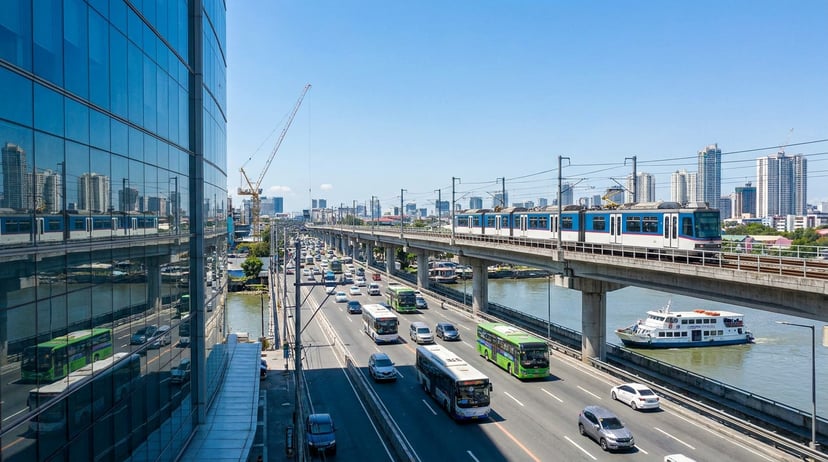 The DOTr’s Historic July 16 Milestone: Why Metro Manila’s Upcoming Mega-Projects Mean It’s Time to Sell Your Car
If you are driving through the congested streets of Metro Manila today, July 16, 2026, the endless sea of red taillights might make you feel like public transport solutions are decades away. However, a massive development just occurred behind closed doors that will drastically alter the future of Philippine mobility. Today, the Department of Transportation (DOTr) officially received an "unmodified opinion" from the Commission on Audit (COA) for its consolidated financial statements.
While this might sound like boring bureaucratic paperwork, it is actually a historic milestone—the first time the agency has received a clean audit in over three decades. For the everyday private car owner, this unprecedented financial transparency guarantees one immediate, unavoidable reality: the funding for massive transport mega-projects is fully secured, and the construction gridlock is about to accelerate exponentially.
What the "Unmodified Opinion" Really Means
An unmodified opinion is the highest and most prestigious rating the COA can grant a government agency. It essentially confirms that the DOTr, which handles one of the largest budgets in the Philippine government, is managing its public funds with absolute transparency and efficiency.
Because the agency has proven its financial capability, massive multi-billion peso infrastructure initiatives—like the Metro Manila Subway Project, the North-South Commuter Railway (NSCR) Extension, and the completion of the MRT-7—will no longer be bogged down by funding disputes or financial red tape. The budget is clear, the contractors are paid, and the heavy machinery is being deployed.
The Golden Age of Infrastructure is a Driver’s Nightmare
For the future of the Philippines, fast-tracking these mega-projects is incredibly exciting. But for the private car owner trying to get to work tomorrow, it is an absolute nightmare.
To build underground subway stations and massive elevated railway pylons, the DOTr and its contractors have to cordon off significant portions of major thoroughfares. We are already seeing this with the impending closure of the East Service Road for the NSCR. As these financially-cleared projects kick into high gear over the next few years, Metro Manila will transform into an inescapable, multi-city construction zone.
The True Cost of the Commuter Gridlock
Navigating a city under heavy construction destroys the utility of owning a private vehicle. The constant detours and lane closures mean your daily 45-minute commute will easily stretch into two hours of agonizing stop-and-go traffic.
While you sit trapped behind concrete barriers and heavy dredging equipment, your engine is burning expensive, highly volatile fuel. The continuous idling wreaks havoc on your cooling system, and the endless braking accelerates the wear and tear on your transmission. Keeping a traditional gas car during a multi-year infrastructure boom is a guaranteed way to drain your wallet.
The Strategic Pivot: Cash Out Before the Chaos
If you are currently driving a bulky SUV or an older gas-powered sedan, you are holding onto a depreciating asset that is fundamentally mismatched for the upcoming construction era.
Savvy motorists are looking at today’s DOTr milestone and making the strategic decision to sell their traditional vehicles. By cashing out today, you extract your vehicle's maximum equity before years of gridlock ruin its mechanical health. You can seamlessly redirect those funds toward coding-exempt, highly efficient electric mobility, or transition to premium P2P transit options that bypass the grueling stress of navigating construction zones.
Expert FAQ Section
1. What did the DOTr achieve today, July 16, 2026?
The Department of Transportation (DOTr) received an "unmodified opinion" from the Commission on Audit (COA) for the first time in over three decades, confirming that its financial statements are accurate and its budget is properly managed.
2. Why is a clean COA audit important for Philippine traffic?
It proves that the DOTr is efficiently utilizing its massive budget. This financial transparency prevents delays in funding, meaning major transport infrastructure projects will be fast-tracked and heavily accelerated.
3. Which mega-projects are going to cause traffic in the coming years?
Massive ongoing projects like the Metro Manila Subway, the North-South Commuter Railway (NSCR) Extension, and the MRT-7 will require significant lane closures and road blockades across the metropolis.
4. How does heavy construction traffic damage my car?
Extended idling in construction bottlenecks causes your engine to run hot with minimal airflow, rapidly depletes expensive fuel, and forces your transmission and brakes to endure excessive, continuous wear.
5. Why is this a good time to sell my daily driver?
Selling your traditional vehicle now allows you to secure its cash value before years of unavoidable construction gridlock accelerate its depreciation and inflate your daily running costs.
Your Old Car? Sell It to Motorist Philippines
Are you ready to escape the multi-year infrastructure gridlock? Don't let Metro Manila's massive construction zones drain your vehicle's value. Reclaim your equity and upgrade your daily commute!
Motorist Philippines offers:
Trusted sell car services
Free, data-driven car valuations based on real-time July 2026 market shifts
Access to a nationwide network of verified buyers
Fast, transparent, and completely hassle-free transactions
Before the mega-project blockades trap your daily route—your old car, sell it to Motorist.