Toyota Biofuel Clark 2026: Sell Your Old Gas Car
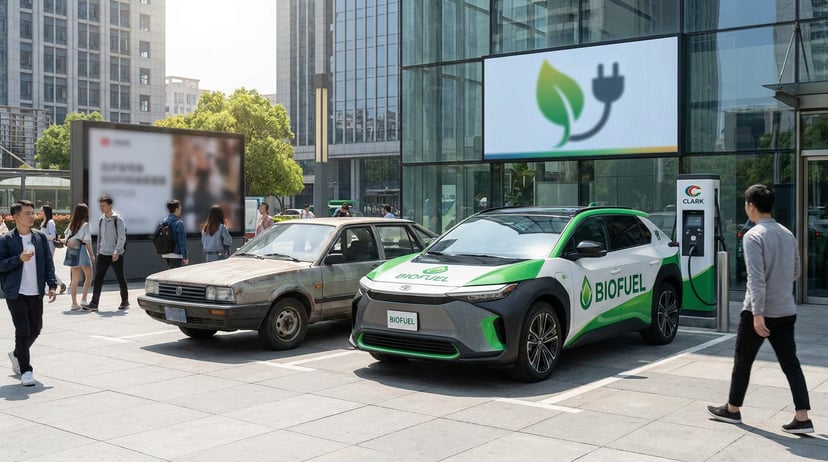 Toyota’s July 2026 Biofuel Racing at Clark: The Beginning of the End for Older Gas Cars
While thousands of motorists are currently suffering from record-high fuel prices amid the ongoing national energy emergency, the future of Philippine fuel was just tested at blistering speeds. Earlier this month, from July 9 to 11, 2026, Toyota Motor Philippines transformed the Clark International Speedway in Pampanga into a high-speed "rolling laboratory." During the second Race Weekend of the TOYOTA GAZOO Racing Philippine Cup, Toyota made history by becoming the first local car manufacturer to run its race cars on locally sourced biofuels.
While this is a massive victory for carbon neutrality and the Philippine agricultural sector, it serves as a massive red flag for owners of older, traditional gasoline vehicles. As the country accelerates its shift toward higher biofuel blends, driving an aging, non-compliant car is about to become an expensive logistical nightmare.
The Clark Speedway "Rolling Laboratory"
To prove that alternative fuels are ready for the mainstream, Toyota didn't just test them in a controlled garage; they pushed them to their absolute limits under brutal motorsports conditions.
During the event, the Vios One-Make Race (OMR) vehicles ran on an E20 bio-ethanol blend (a mix of 20% ethanol sourced from sugarcane), while the Tamaraw OMRs were fueled by a B5 coco-biodiesel blend (5% coconut-based biodiesel). By subjecting these locally produced fuels to extreme temperatures and high RPMs on the racetrack, Toyota is evaluating their long-term reliability for the everyday consumer.
What E20 and B5 Mean for the Everyday Driver
Toyota's racing initiative perfectly aligns with a multi-pathway approach to reducing the Philippines' heavy reliance on imported petroleum. The brand confirmed that roughly three-quarters of modern Toyota and Lexus gasoline models are already E20-compatible, and all of their current diesel models are B5-compatible.
But what if you are driving a 10-year-old sedan or an early 2010s gas guzzler? Older internal combustion engines (ICE) were not designed to handle high ethanol blends like E20. Pumping E20 into an older, non-compliant engine can corrode fuel lines, degrade rubber seals, and cause severe, permanent damage to the fuel pump and injectors.
The Impending Fuel Mandate and Your Resale Value
Toyota sharing their successful testing data with government agencies signals one clear outcome: a nationwide push to mandate higher biofuel blends at local gas stations is on the horizon.
When E20 becomes the new standard to combat volatile global oil prices, drivers of older gas cars will be forced to hunt for pure, unblended gasoline—which will undoubtedly be taxed heavily and priced at a massive premium. Because of this impending fuel shift, the second-hand market demand for older ICE vehicles is already starting to soften. Savvy buyers are now strictly looking for modern, flex-fuel compatible cars or hybrids.
The Smart Move: Liquidate Your Non-Compliant Car Now
If you are still driving an older gasoline vehicle that cannot handle modern biofuel blends, your car's equity is on a ticking clock. The smartest financial move you can make this July 2026 is to liquidate your aging car before these higher biofuel standards are fully implemented nationwide.
Selling your non-compliant vehicle today allows you to secure its highest remaining cash value before the used car market completely abandons older models. You can then use those funds to upgrade to a modern, E20-ready vehicle, a Hybrid Electric Vehicle (HEV), or jump straight into the EV revolution to escape the gas pump entirely.
Expert FAQ Section
1. What happened at the Clark International Speedway this July 2026?
Toyota Motor Philippines used the TOYOTA GAZOO Racing Philippine Cup as a "rolling laboratory" to test the performance and reliability of E20 and B5 biofuels in their Vios and Tamaraw race cars.
2. What is E20 and B5 fuel?
E20 is a gasoline blend containing 20% bio-ethanol (usually derived from sugarcane), while B5 is a diesel blend containing 5% coco-biodiesel. These locally sourced fuels help reduce carbon emissions and dependency on imported oil.
3. Can my current car run on E20 fuel?
If you drive a relatively new vehicle, likely yes. Toyota stated that about three-quarters of their modern gas models are E20-compatible. However, older gasoline cars are generally not designed for high ethanol blends and can suffer severe engine and fuel line damage.
4. Why is Toyota's testing bad for my old car's resale value?
Successful testing accelerates the government's timeline to mandate higher biofuel blends at local pumps. When standard fuel shifts to E20, non-compliant older cars will be harder and more expensive to fuel, causing buyers to avoid them on the second-hand market.
5. How does selling my car now protect my finances?
Selling your aging, non-compliant gas car today locks in its current market equity before biofuel regulations render it obsolete. You can then upgrade to a modern hybrid or E20-ready vehicle, saving you from future fuel availability headaches.
Your Old Car? Sell It to Motorist Philippines
The future of fuel is rapidly changing, and older gas cars are being left behind! Don't wait for your vehicle to become obsolete at the pump. Secure your car’s maximum value today and upgrade to a future-proof ride.
Motorist Philippines offers:
Trusted sell car services
Free, data-driven car valuations based on real July 2026 market shifts
Access to a nationwide network of verified buyers
Fast, transparent, and completely hassle-free transactions
Before the new biofuel standards crash the used car market—your old car, sell it to Motorist.