What does encumbered mean on a car's OR/CR in the Philippines?
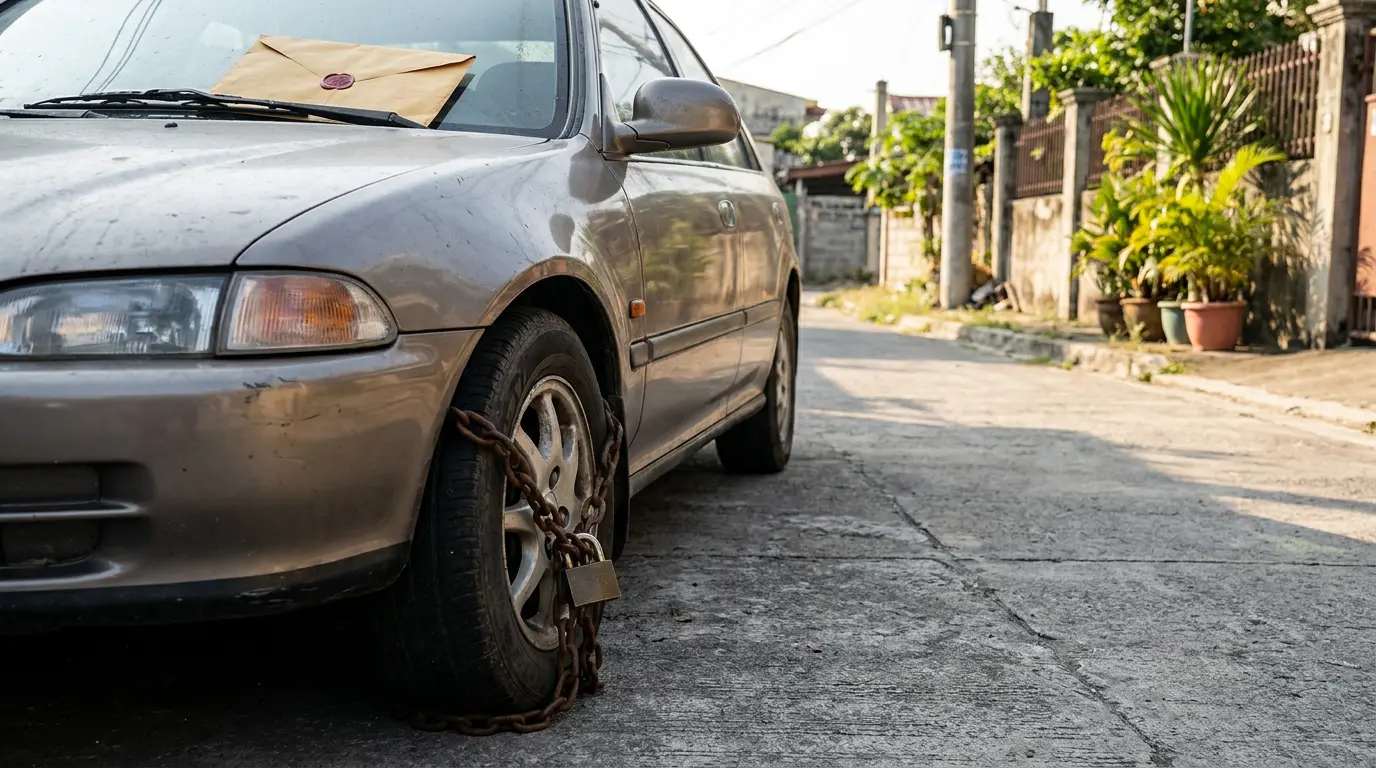 How to Clear an Encumbered OR/CR in 2026
Step 1: Complete Your Auto Loan Payments
Pay off your final bank installment. Once your 3-to-5 year financing term is finished, the bank will release your original LTO Certificate of Registration alongside a highly important legal document called the Release of Chattel Mortgage.
Step 2: Visit the Registry of Deeds
Cancel the mortgage officially. You must bring the Release of Chattel Mortgage, a Promissory Note from the bank, and your original OR/CR to the specific Registry of Deeds where the mortgage was initially registered by the bank.
Step 3: Pay the Cancellation Fees
Settle the processing costs. The Registry of Deeds will charge a cancellation fee based on the original loan amount. Once processed, they will stamp your Release of Chattel Mortgage to officially confirm the bank's claim has been nullified.
Step 4: Update Your LTO Records
Request a new Certificate of Registration. Bring your stamped cancellation documents and original OR/CR to the LTO branch where the car is registered. The LTO will erase the encumbered remark and issue a clean CR strictly under your name.
| Legal Status | Meaning | Can the Car be Sold? |
| Encumbered | Car is collateral for an active bank loan | NO (unless bank approves an assume balance) |
| Loan Paid (No LTO Update) | Bank paid, but LTO records still show encumbered | NO (must process cancellation first) |
| Clean / Unencumbered | Owner has 100% legal rights to the vehicle | YES (ready for LTO transfer) |
EXPERT TIP
Never assume the bank will automatically clear your LTO records after your last payment. The bank only gives you the clearance documents; you are entirely responsible for doing the legwork at the Registry of Deeds and the LTO to update the CR.
COMMON MISTAKE
Do not buy a second-hand car if the seller's CR still says 'Encumbered' but they claim the loan is fully paid. If they lost the original Release of Chattel Mortgage before updating the LTO, you will never be able to transfer the car to your name.
Clearing an encumbered status is a mandatory administrative chore for all financed vehicles. By processing your cancellation at the Registry of Deeds, you unlock the ability to legally sell or transfer your car without restrictions.
FAQs
Q1: What does encumbered mean on a car's OR/CR?
It means the vehicle is currently serving as collateral for a bank loan, and the bank holds primary legal rights over the asset.
Q2: Can I sell an encumbered car?
No, you cannot legally execute a deed of sale or process an LTO transfer until the bank loan is fully paid and the encumbrance is canceled.
Q3: How long does it take to cancel an encumbrance?
Processing the cancellation at the Registry of Deeds typically takes 3 to 5 working days, followed by another day at the LTO.
Q4: Do I have to go to a specific Registry of Deeds?
Yes, you must visit the exact city or municipal Registry of Deeds where the bank originally registered the chattel mortgage.
Q5: What happens if I lose the Release of Chattel Mortgage?
You must formally request a duplicate copy from your financing bank, which often requires executing a notarized Affidavit of Loss and paying retrieval fees.
Q6: Does an encumbered status affect my annual LTO renewal?
No, you can still renew your annual vehicle registration normally even if the CR remains encumbered to a bank.
Q7: Who pays for the cancellation fees?
The registered vehicle owner is entirely responsible for paying the cancellation fees at the Registry of Deeds and the LTO.
Q8: Can I ship an encumbered car to another province?
Yes, but shipping an encumbered car internationally (exporting) strictly requires a written clearance letter from the financing bank.
Visit Motorist Philippines today to get a free, data-driven car valuation and navigate your vehicle ownership effortlessly!