Common car dashboard warning lights and what they mean in the Philippines
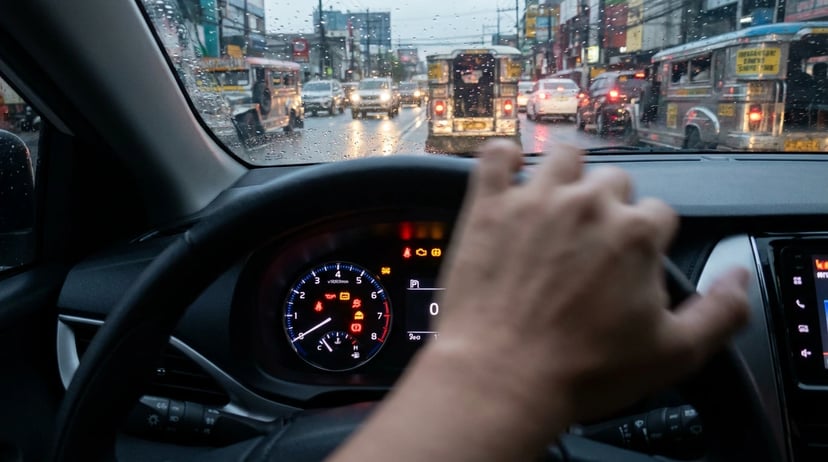 Decoding Your Car's Dashboard Warning Lights
The Check Engine Light (Yellow Engine Block)
Do not panic, but do not ignore it. A solid yellow check engine light means the car's computer has detected a fault in the emissions, ignition, or fuel system—such as a busted oxygen sensor or a loose gas cap. You can safely drive the car to a mechanic to have it scanned. However, if the check engine light is rapidly flashing, it indicates a severe engine misfire, and you must stop driving immediately to avoid melting the catalytic converter.
The Oil Pressure Light (Red Oil Can)
Kill the engine immediately. This is the most dangerous warning light on your dashboard. It does not mean you are slightly low on oil; it means the engine has completely lost oil pressure. If you continue driving for even 60 seconds with this red light illuminated, the internal metal components will grind together and permanently destroy the entire engine block.
The Battery/Alternator Light (Red Battery)
Turn off your aircon and radio. This red light means the car's alternator has failed and is no longer generating electricity. Your car is currently running purely on the battery's reserve juice. Turn off all unnecessary electronics (A/C, radio, phone chargers) and drive straight to the nearest repair shop before the battery completely drains and the engine shuts off mid-drive.
The Engine Temperature Light (Red Thermometer)
Avoid a blown head gasket. If this red icon lights up (or your temperature gauge hits the red 'H' zone), your engine is overheating due to a coolant leak or a broken radiator fan. Pull over safely and turn off the engine. Never attempt to open the radiator cap while the engine is hot, as pressurized boiling coolant will erupt and cause severe burns.
| Warning Light Symbol | Color | Urgency Level | Immediate Action Required |
| Oil Pressure (Oil Can) | Red | Critical Emergency | Stop driving and turn off engine |
| Engine Temp (Thermometer) | Red | Critical Emergency | Pull over and let engine cool |
| Check Engine (Engine Block) | Yellow | Moderate Warning | Drive to a mechanic for scanning |
| Tire Pressure (Exclamation) | Yellow | Moderate Warning | Inflate tires at the next gas station |
EXPERT TIP
When you turn the ignition key to the 'ON' position before starting the engine, every single warning light on the dashboard should illuminate for a few seconds. If a light (especially the Check Engine light) fails to turn on during this startup sequence, a previous owner or dishonest seller may have intentionally removed the bulb to hide a massive mechanical problem.
COMMON MISTAKE
Do not assume the yellow Check Engine light tells the mechanic exactly what is wrong. It only provides a generalized 'Error Code.' The mechanic must use an OBD2 scanner and their diagnostic expertise to track down which specific wire, hose, or sensor actually failed.
Understanding your dashboard warning lights is the first line of defense in preventive maintenance. By respecting the strict difference between yellow warnings and red emergencies, you protect both your safety on the road and your long-term finances.
FAQs
Q1: What does a red warning light mean on the dashboard?
Red lights signify an immediate, severe safety or mechanical emergency. You must pull over and turn off the engine to prevent damage.
Q2: Is it safe to drive with the yellow check engine light on?
If the light is solid yellow, it is safe to drive the car directly to a repair shop. If the light is actively flashing, you must pull over and call a tow truck.
Q3: What does the exclamation point inside a horseshoe mean?
That is the Tire Pressure Monitoring System (TPMS) warning light, indicating that one or more of your tires are severely underinflated.
Q4: Why is my battery light on while driving?
It means your alternator has stopped charging the battery, and the car will soon lose all electrical power and shut down completely.
Q5: What does the red ABS light mean?
If the ABS (Anti-lock Braking System) light stays on, your standard brakes will still work, but the automated anti-skid function is disabled.
Q6: Can a loose gas cap trigger the check engine light?
Yes, a loose or broken gas cap causes a minor vacuum leak in the emissions system, which frequently triggers a solid yellow check engine light.
Q7: How do mechanics read the warning lights?
Mechanics plug an OBD2 (On-Board Diagnostics) scanner into a port under your steering wheel to read the exact digital error codes generated by the car's computer.
Q8: What does a blue thermometer light mean when I start the car?
A blue thermometer simply indicates that the engine coolant is still cold. It is completely normal and will automatically turn off once the engine reaches its optimal operating temperature.
Visit Motorist Philippines today to get a free, data-driven car valuation and navigate your vehicle ownership effortlessly!
