How to prevent rat damage in your car engine bay: 2026 protection tips
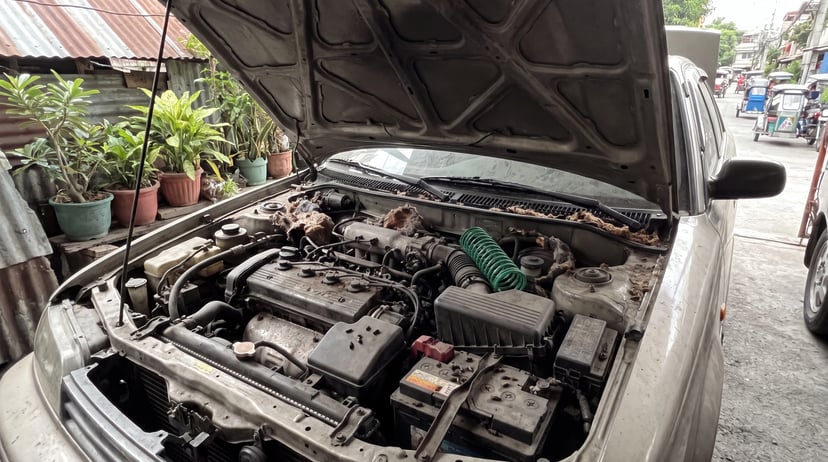 Effective Ways to Rodent-Proof Your Engine Bay
Apply Rodent Repellent Sprays
Mask the appetizing scent of your wires. You can purchase specialized anti-rodent sprays formulated with peppermint oil or capsaicin (chili extract) from most automotive hardware stores. Spray this heavily along the plastic wire looms, the firewall, and the battery casing. Rats have highly sensitive noses and will immediately abandon an engine bay that smells like intense peppermint or spicy chemicals.
Keep the Garage Well-Lit and Open
Remove their sense of security. Rats are nocturnal prey animals that strictly seek out pitch-black, hidden spaces to build their nests. If you park in a private garage, leave a strong LED light on overnight directly above or pointed at the car's grille. Alternatively, popping the hood open overnight removes the dark canopy they crave, making your engine bay completely unappealing.
Install Steel Wire Mesh
Physically block their entry points. If you own an SUV or pickup truck, rats typically climb up the tires and enter the engine bay through large gaps near the wheel wells or the fresh air intake. You can ask a trusted mechanic to install fine stainless-steel wire mesh over these large entry points. This allows air to flow freely while physically barricading fat rodents.
Eliminate Food Sources in the Cabin
Stop turning your car into a dining room. Leaving half-eaten fast food, sweet wrappers, or dog food in your trunk guarantees an infestation. Rats will smell the food from outside, crawl into the engine bay, and chew straight through the cabin air filter to access the interior. Vacuum your carpets regularly and never leave perishable items inside the vehicle overnight.
| Prevention Method | Cost Estimate | Effectiveness | Maintenance Required |
| Peppermint/Rodent Spray | ₱300 to ₱800 | High | Reapply every 2 weeks |
| Leaving Hood Open/Lights On | Free | Medium | Daily habit |
| Steel Mesh Installation | ₱1,500 to ₱3,000 | Very High | Permanent |
| Mothballs (Naphthalene) | ₱50 | Low (Toxic smell in cabin) | Replace monthly |
EXPERT TIP
Never place traditional rat poison pellets directly inside the engine bay. If the rat eats the poison and dies deep inside your dashboard or air conditioning vents, the smell of the decomposing rodent will be completely unbearable, and your dashboard will have to be dismantled to remove it.
COMMON MISTAKE
Do not rely on mothballs (naphthalene balls) scattered under the hood. The extreme heat of the engine will rapidly melt the mothballs, producing highly toxic fumes that will get sucked directly into your A/C system and poison the passengers.
Protecting your engine bay from rats requires a proactive mix of chemical repellents and physical deterrents. By keeping your parking area clean and masking the scent of your wiring, you safeguard your vehicle against thousands of pesos in electrical damages.
FAQs
Q1: Why do rats like car engine bays?
Rats love engine bays because they provide a warm, dry, and dark shelter. Additionally, modern car wiring insulation is often made of appetizing soy-based plastics.
Q2: Does comprehensive car insurance cover rat damage?
Generally, no. Most insurance companies in the Philippines classify rat damage under "wear and tear" or pest infestation, which is excluded from standard comprehensive policies.
Q3: Is peppermint oil safe for car engines?
Yes, pure peppermint oil diluted in water is safe for plastics and rubber hoses, and it is a highly effective, natural rat deterrent.
Q4: Can a rat chew through a brake line?
While rare, rats have been known to chew through the rubber flex hoses of a car's braking system, which is incredibly dangerous.
Q5: Will keeping my cat in the garage help?
Yes, the scent of a natural predator (like a cat or dog) in the immediate parking area is often enough to keep rodent populations away.
Q6: What should I do if I find a rat nest in my engine?
Wear a mask and gloves, remove the nesting materials (twigs, leaves, trash), and thoroughly wash the area with soap and water to destroy the pheromone trail the rat left behind.
Q7: Can rats enter the car's interior cabin?
Yes, they frequently chew through the plastic fresh-air intake cowl beneath the windshield wipers and enter the cabin through the A/C blower motor.
Q8: Are ultrasonic rat repellers effective?
Battery-operated ultrasonic repellers emit a high-pitched noise to scare rats. While they work initially, urban rats often grow accustomed to the sound after a few weeks.
Visit Motorist Philippines today to get a free, data-driven car valuation and navigate your vehicle ownership effortlessly!
