Weekend drives vs reality: do you still need your car?
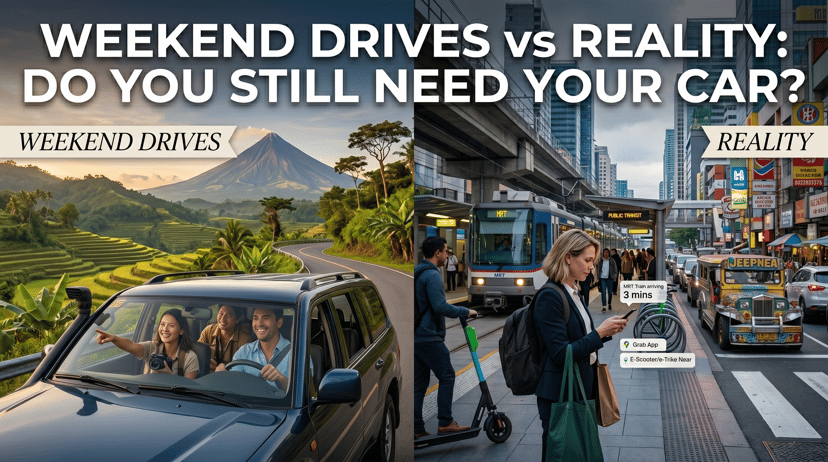 Weekend Drives vs Reality — Are You Really Using Your Car?
You bought your car for freedom. Late-night drives, spontaneous road trips, weekend getaways—the idea of owning a car felt like unlocking a new lifestyle. It wasn’t just about getting from point A to point B. It was about convenience, flexibility, and enjoying the journey whenever you wanted.
But fast forward to today, and reality looks a little different. Work schedules, traffic, fuel prices, and daily responsibilities have taken over. Instead of weekend drives, your car spends most of its time parked. Instead of freedom, it often feels like another expense. So the question becomes unavoidable: are you really using your car, or just owning it?
The Dream of Car Ownership vs Everyday Reality
Car ownership often starts with excitement and aspiration. The idea of having your own vehicle represents independence and convenience. You imagine driving whenever you want, escaping the city, and making the most of your weekends. However, daily life in the Philippines tends to reshape that vision. Traffic congestion, limited parking, and rising fuel costs make spontaneous drives less appealing. Over time, the dream of frequent use slowly turns into occasional usage, and the car becomes less of a lifestyle tool and more of a stationary asset.
Your Car Might Be Used Less Than You Think
Many car owners assume they use their vehicles regularly, but when they take a closer look, the actual usage tells a different story. Between work-from-home setups, alternative transportation options, and busy schedules, cars are often left unused for days at a time. Even when used, it may only be for short, routine trips rather than meaningful drives. Despite this, the costs of owning the car continue—fuel, maintenance, insurance, and parking—all adding up regardless of how often the car is driven.
The Cost of Keeping a Lifestyle Car
Owning a car that is rarely used can quietly drain your finances. Even if you are not driving it daily, expenses do not stop. Maintenance is still required to keep it in good condition, fuel prices remain unpredictable, and insurance and registration must still be paid. Over time, these costs accumulate, turning what was once a symbol of freedom into a recurring financial responsibility. The gap between how much you use your car and how much it costs to keep it becomes more noticeable.
When a Car Becomes More Aspiration Than Necessity
For many people, a car starts as a necessity but gradually becomes more of an aspiration—a reminder of what it could be used for rather than what it actually does. If your car is mostly parked, used only occasionally, or avoided because of traffic and costs, it may no longer serve its original purpose. Instead of adding value to your lifestyle, it becomes something you maintain out of habit rather than need.
Why Some Filipinos Are Choosing to Let Go
As this realization sets in, more Filipinos are starting to rethink their relationship with car ownership. Instead of holding onto a vehicle that is underused, they are choosing to sell while the car still holds value. By doing so, they eliminate ongoing expenses and free up resources for other priorities. In a fast-changing environment, letting go of an underutilized car can be a practical and financially sound decision.
Should You Keep or Sell Your Car?
If your car is no longer part of your daily life or the lifestyle you originally imagined, it may be time to reassess. Think about how often you actually use it, how much it costs you each month, and whether it still adds convenience or simply adds pressure. Owning a car should enhance your life, not weigh it down. Recognizing this difference can help you decide whether keeping it still makes sense.
Expert FAQ Section
1. Why do people end up using their cars less than expected?
Changes in lifestyle, traffic conditions, and alternative transport options often reduce actual car usage.
2. Is it expensive to keep a car even if I don’t use it often?
Yes. Maintenance, insurance, and registration costs continue regardless of usage.
3. Should I sell my car if I rarely drive it?
If the car is underutilized and still costing you money, selling may be a practical option.
4. Do cars lose value even when not used?
Yes. Depreciation happens over time, not just through mileage.
5. How do I know my car’s current value?
A real-time market valuation provides the most accurate estimate.
Your Old Car? Sell It to Motorist Philippines
If your car is parked more than it’s driven, it might be time to turn that unused asset into something more valuable. Instead of holding onto a car that no longer fits your lifestyle, you can make a smarter move today.
Motorist Philippines offers trusted sell car services and free car valuations based on real market demand. With access to serious buyers and a fast, hassle-free process, selling your car has never been easier.
👉 Visit www.motorist.ph today.
If your car is just a lifestyle idea now—your old car, sell it to Motorist.