Sell Manual Car Philippines 2026: Upgrade to Automatic or EV
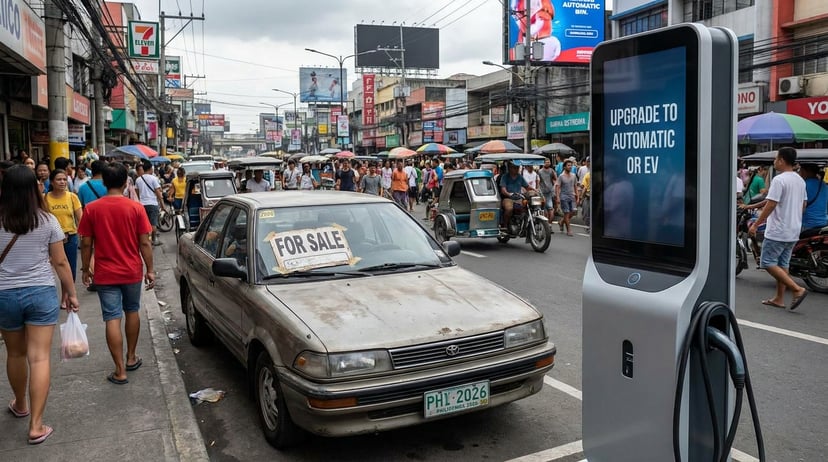 The "Clutch Fatigue" Epidemic — Is Driving a Manual Car in Metro Manila Finally Too Much?
Owning a car used to feel like a one-time investment. But in 2026, many Filipino drivers are starting to realize that the real cost comes after you’ve already bought it. A few years ago, buying a manual transmission car made sense—it was cheaper, supposedly more fuel-efficient, and gave you a sense of control on the open provincial roads. But today, the reality of Metro Manila’s gridlock has turned that "control" into a daily physical punishment. If you are stuck driving a manual car on EDSA or C5 for two hours every morning, keeping it might be costing you more than just gas; it’s costing you your physical comfort and mental peace.
The Cost of Gridlock is Increasing Across the Board
In recent years, the sheer volume of vehicles in the Philippines has gone up significantly. What used to be a steady crawl has turned into relentless, bumper-to-bumper, stop-and-go traffic. In these conditions, you aren't really "driving" a manual car—you are just doing endless leg presses with your clutch pedal. Whether it’s inching forward at a tollgate or getting stuck on a flyover incline, the physical toll of operating a manual transmission is no longer as bearable as before. Every traffic jam hits harder on your knees, ankles, and lower back, leading to a very real condition known among drivers as "clutch fatigue."
Manual Cars Suffer From Heavy Wear and Tear in the City
As your manual car endures the daily abuse of urban traffic, its mechanical components wear down faster. Constantly riding the clutch to creep forward burns through clutch plates, pressure plates, and release bearings. What used to be a rare maintenance item now requires frequent and expensive replacements. These recurring mechanical interventions can quickly add up, making it harder to justify keeping a manual car when modern automatic transmissions and EVs require zero shifting and far less drivetrain maintenance in traffic.
Hidden Costs You Might Be Overlooking
Beyond the physical pain and clutch replacements, there is the hidden cost of the "Manual Depreciation Gap." In 2026, the demand for second-hand manual cars in major cities is plummeting. Modern buyers, especially the younger demographic, exclusively want automatics, hybrids, or EVs equipped with features like "Auto Brake Hold" and adaptive cruise control. Because the buyer pool for manual sedans and SUVs is shrinking drastically in urban centers, you are forced to lower your asking price significantly just to attract a buyer from the provinces.
Why Some Owners Choose to Sell Early
Instead of suffering through another year of left-leg cramps, many exhausted drivers are choosing to sell their manual vehicles while they still hold value. Selling early allows them to tap into the niche market of driving enthusiasts or provincial buyers before urban demand completely vanishes. The cash from the sale is then immediately used to upgrade to a modern automatic or an EV, instantly transforming their daily commute from a grueling workout into a relaxed, effortless ride.
Should You Keep or Sell Your Manual Car?
If you find yourself dreading your commute, actively avoiding certain routes because of uphill traffic, or rubbing your left knee after you park, it may be time to rethink your decision. Keeping your manual car might feel like you are staying true to your driving roots, but the daily physical strain and looming depreciation can drastically outweigh the benefits. Selling now could help you reclaim your comfort and maximize your car’s current value before the market entirely shifts to automatics.
Expert FAQ Section
1. Is "clutch fatigue" a real physical condition?
Yes. Constantly engaging a heavy clutch in stop-and-go traffic leads to repetitive strain injuries (RSI) in the left knee, ankle, and lower back, which is a major complaint among Manila drivers in 2026.
2. Do manual cars still save more gas than automatics?
Not anymore. Modern Continuously Variable Transmissions (CVTs), Hybrids, and EVs are now significantly more fuel-efficient and smarter at managing engine revs than human drivers, especially in city traffic.
3. Why is it getting harder to sell a manual car in Metro Manila?
Because of the extreme traffic, urban buyers simply refuse to drive manuals. Your buyer pool is mostly restricted to commercial fleet operators, driving schools, or buyers from rural provinces.
4. When is the best time to sell my manual car?
Right now. As affordable automatic EVs flood the market, the demand for internal combustion manual cars drops every month. Selling before the end of the year secures the best price.
5. How can I reach buyers outside of Metro Manila who still want manual cars?
By using a digital selling platform, your vehicle is instantly bid on by a nationwide network of dealers, easily connecting your manual car to provincial buyers who still value them.
Your Old Car? Sell It to Motorist Philippines
If shifting gears in traffic is driving you crazy, it’s time to turn that exhaustion into a comfortable upgrade. Instead of dealing with lowballers who don't want a manual, you can sell your car to a nationwide network of buyers.
Motorist Philippines offers:
Trusted sell car services (We buy manual cars!)
Free car valuations based on real market demand
Access to serious buyers across the Philippines
Fast and hassle-free process
Before your left leg gives out—your old car, sell it to Motorist.