Pre Sale Car Repairs Philippines 2026: Sell Car As Is
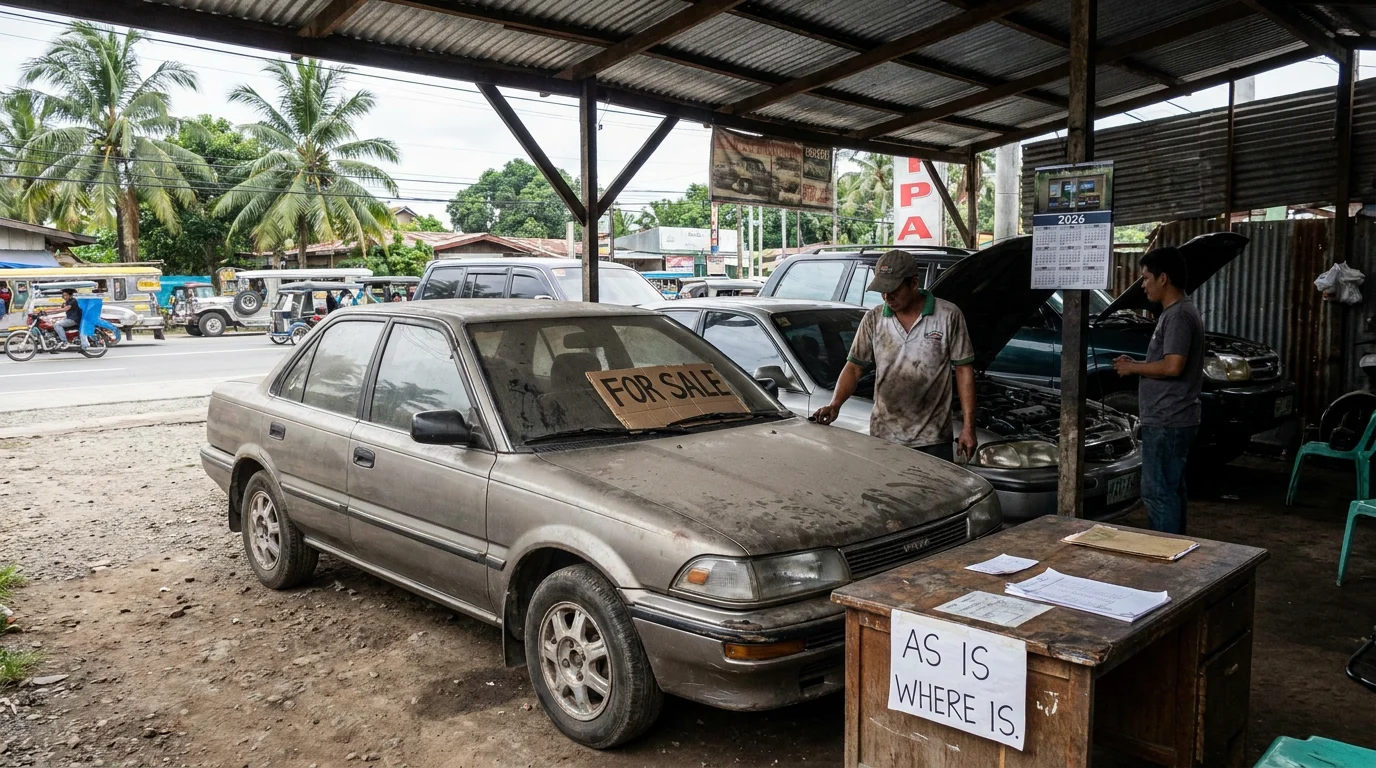
The True Cost of Pre-Sale Repairs: Why Spending Money to Fix Your Old Car Before Selling is a Financial Mistake
When private vehicle owners decide it is finally time to upgrade, their immediate instinct is usually to make the car look and run as flawlessly as possible. It seems like logical advice: fix the dented bumper, replace the squeaking brake pads, refresh the worn tires, and address that lingering check engine light so you can command top peso on the second-hand market.
However, in the 2026 automotive landscape, this strategy often turns into a major financial trap. Car owners frequently dump tens of thousands of pesos into pre-sale repairs, only to realize during negotiations that buyers will not reimburse them for those out-of-pocket expenses.
The Return on Investment (ROI) Fallacy
The biggest misconception in used car sales is that every peso spent on repairs adds an equivalent peso to the vehicle’s resale value. In reality, maintenance expenditures almost never yield a 1:1 return on investment.
Fresh Paint and Bodywork: Spending ₱30,000 to ₱50,000 on a full panel repaint might make the car look shiny, but a savvy buyer will still evaluate the car based on its year, mileage, and market value. The repaint might prevent a buyer from chipping ₱10,000 off your asking price, but you are still down ₱20,000 to ₱40,000 net profit.
Brand New Tires: A new set of four tires for a sedan or crossover can easily cost ₱18,000 to ₱35,000. While fresh rubber is a nice selling point, most second-hand buyers expect functional tires anyway. You rarely recoup the full retail cost of newly installed tires.
Major Mechanical Overhauls: Sinking money into a transmission rebuild or suspension replacement right before listing a car is a classic mistake. Buyers pay for a working car; they will not pay a premium just because the car works the way it was originally supposed to.
The "As-Is" Market Advantage
In 2026, the second-hand car market operates with unprecedented transparency. Used car buyers, corporate fleet buyers, and professional automotive buyers evaluate vehicles using standardized inspection checklists and data-driven market valuations.
These professional entities actually prefer buying vehicles in their genuine "as-is" condition. They possess wholesale access to spare parts, in-house mechanics, and paint shops, meaning they can perform necessary reconditioning for a fraction of what a retail car owner would pay at a neighborhood garage.
Avoiding the Repair Workshop Time Sink
Beyond the financial loss, preparing an aging car for sale consumes a massive amount of your time and mental energy. Leaving your vehicle at a shop for days or weeks to resolve mechanical issues means:
You lose access to your daily transport.
You risk shop delays, wrong diagnosis, and additional unforeseen repair costs.
Your vehicle continues to age and depreciate while sitting on a service bay hoist.
Every week your car sits in a workshop waiting for parts is a week you are not liquidating your equity into cash.
The Smart Exit: Sell "As-Is" Today
If your daily driver is starting to show its age or has upcoming maintenance requirements, do not waste your hard-earned money attempting to restore it to showroom condition. The smartest financial move you can make is to sell the vehicle in its current state.
Liquidating your car "as-is" protects your bank account from non-recoverable repair costs. You instantly lock in its fair market value, save weeks of workshop headaches, and secure your cash equity immediately—allowing you to redirect those funds straight toward your next vehicle upgrade.
Expert FAQ Section
1. Should I fix mechanical issues before selling my car in 2026?
In most cases, no. Major mechanical repairs rarely give you a full return on investment. Professional buyers can fix issues at wholesale rates, meaning selling "as-is" usually nets you more profit overall.
2. Does a brand-new set of tires increase my car's resale value?
While good tires make a car easier to sell, they rarely add the full retail cost of the tires to your final selling price. It is usually better to adjust your asking price slightly than to buy expensive new tires.
3. What minor fixes ARE worth doing before selling?
Low-cost, high-impact tasks are worthwhile: a thorough interior and exterior detail, replacing cheap blown fuses or interior bulbs, and washing off road grime. Cleanliness costs little but significantly improves first impressions.
4. Will buyers lowball me if my car has minor dents or scratches?
Some private buyers might attempt to lower the price, but professional appraisal services factor cosmetic wear into standard market valuations fairly, without the aggressive penalization typical of individual buyers.
5. Why is selling "as-is" to a platform better than fixing the car yourself?
Selling "as-is" saves you thousands of pesos in upfront repair costs, eliminates shop wait times, and transfers the responsibility of reconditioning to professional buyers who have the resources to handle it.
Your Old Car? Sell It to Motorist Philippines
Don't waste your hard-earned money and weekend time fixing up an old car just to sell it! Skip the expensive shop bills, avoid the headache of spare parts sourcing, and cash out your vehicle in its true, current condition.
Motorist Philippines offers:
Trusted sell car services for vehicles in "as-is" condition
Free, data-driven car valuations based on fair market standards
Access to a nationwide network of verified buyers who handle reconditioning themselves
Fast, transparent, and completely hassle-free cash transactions
Before you hand your wallet over to a repair shop—your old car, sell it to Motorist.