Fuel prices in the Philippines this week: September 2026 updates
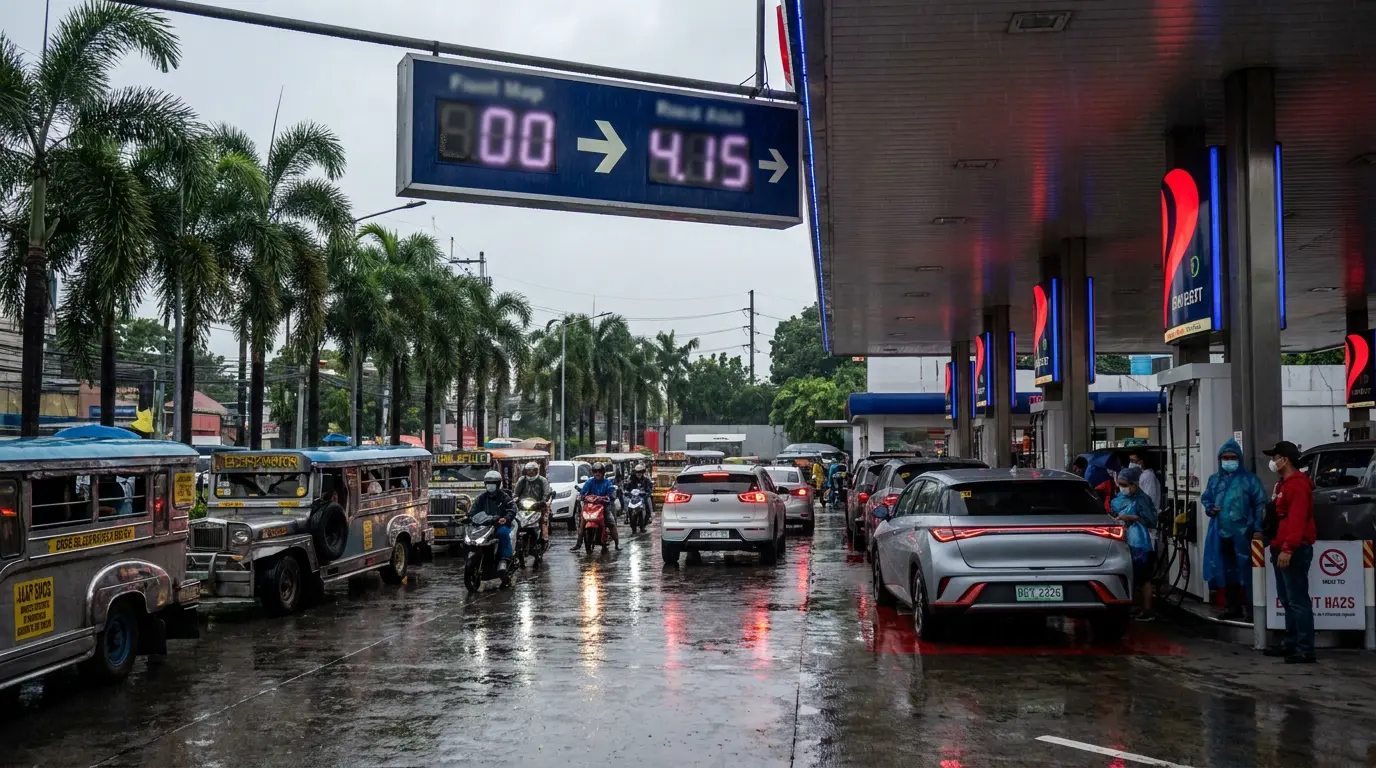 Philippine Fuel Price Updates: September 2026
Step 1: Monitor Weekly DOE Announcements
Check the news every Monday afternoon. The Department of Energy and major oil players announce the upcoming price rollbacks or hikes every Monday, which universally take effect the very next day, giving you a tight window to fill up.
Step 2: Understand the Price Hike Scale
Prepare for compounded increases. Over the past few weeks, fuel expenses have surged due to global market fluctuations, with total recent adjustments adding over ₱15 to gasoline and ₱18 to diesel. Understanding this trend helps you allocate a larger buffer for your monthly fuel budget.
Step 3: Compare Independent vs. Major Stations
Look for independent fuel players. Stations like Unioil, Phoenix, and Seaoil frequently offer loyalty card discounts (up to ₱3.00 off per liter) that major "Big Three" stations may not match, providing immediate relief during heavy price hikes.
Step 4: Practice Eco-Driving
Reduce unnecessary idling. Leaving your engine running while parked for more than a minute burns more fuel than simply restarting the car. Combine your errands into a single trip to prevent your engine from repeatedly running through its inefficient cold-start cycle.
| Fuel Variant | September 22 Price Adjustment | Current Average Price (Metro Manila) |
| Gasoline (RON 91/95) | UP by ₱4.88 per liter | Approx. ₱62.55 |
| Diesel | UP by ₱8.82 per liter | Approx. ₱56.74 |
| Kerosene | UP by ₱6.47 per liter | Varies by LGU |
| Premium / RON 100 | Proportional increase | Approx. ₱67.99 |
EXPERT TIP
Never rely purely on premium 95 or 97 octane fuel if your vehicle's manual only strictly requires 91 octane. Using higher octane fuel on a standard economy engine does not magically increase your horsepower; it just drains your wallet faster at the pump.
COMMON MISTAKE
Do not carry hundreds of pounds of unnecessary tools, sports gear, or heavy boxes in your trunk. Every extra 100 pounds of dead weight in your vehicle noticeably reduces your overall fuel economy.
Navigating the volatile fuel market in the Philippines requires strategic fill-ups and disciplined driving habits. By staying ahead of the Tuesday price adjustments and leveraging station loyalty discounts, you can protect yourself from painful price spikes.
FAQs
Q1: Why do fuel prices in the Philippines change every week?
Local fuel prices are directly dictated by the volatile international oil market and the foreign exchange rate of the Philippine Peso against the US Dollar.
Q2: What time do fuel price changes take effect?
Price rollbacks and hikes are universally implemented by oil companies every Tuesday at 6:00 AM.
Q3: Is diesel always cheaper than gasoline?
While historically cheaper due to lower taxes, severe global diesel shortages occasionally push diesel prices higher than standard gasoline.
Q4: Does air conditioning consume a lot of fuel?
Yes, running your AC on maximum constantly can increase fuel consumption by up to 10%, especially in extreme afternoon heat.
Q5: Are independent gas stations safe for my engine?
Yes, all fuel sold in the Philippines must pass the strict quality and additive standards mandated by the Department of Energy.
Q6: Does driving faster save fuel?
No, aerodynamic drag increases massively at high speeds; driving at a steady 80 km/h is significantly more fuel-efficient than speeding at 120 km/h.
Q7: Will underinflated tires affect my fuel consumption?
Yes, soft tires increase rolling resistance on the asphalt, forcing your engine to work much harder and burn more fuel.
Q8: How much is the current price of Gasoline in Metro Manila?
As of late September 2026, average gasoline prices are hovering around ₱62.55 per liter.
Visit Motorist Philippines today to get a free, data-driven car valuation and navigate your vehicle ownership effortlessly!