How to find trusted motor and auto repair shops near you in the Philippines
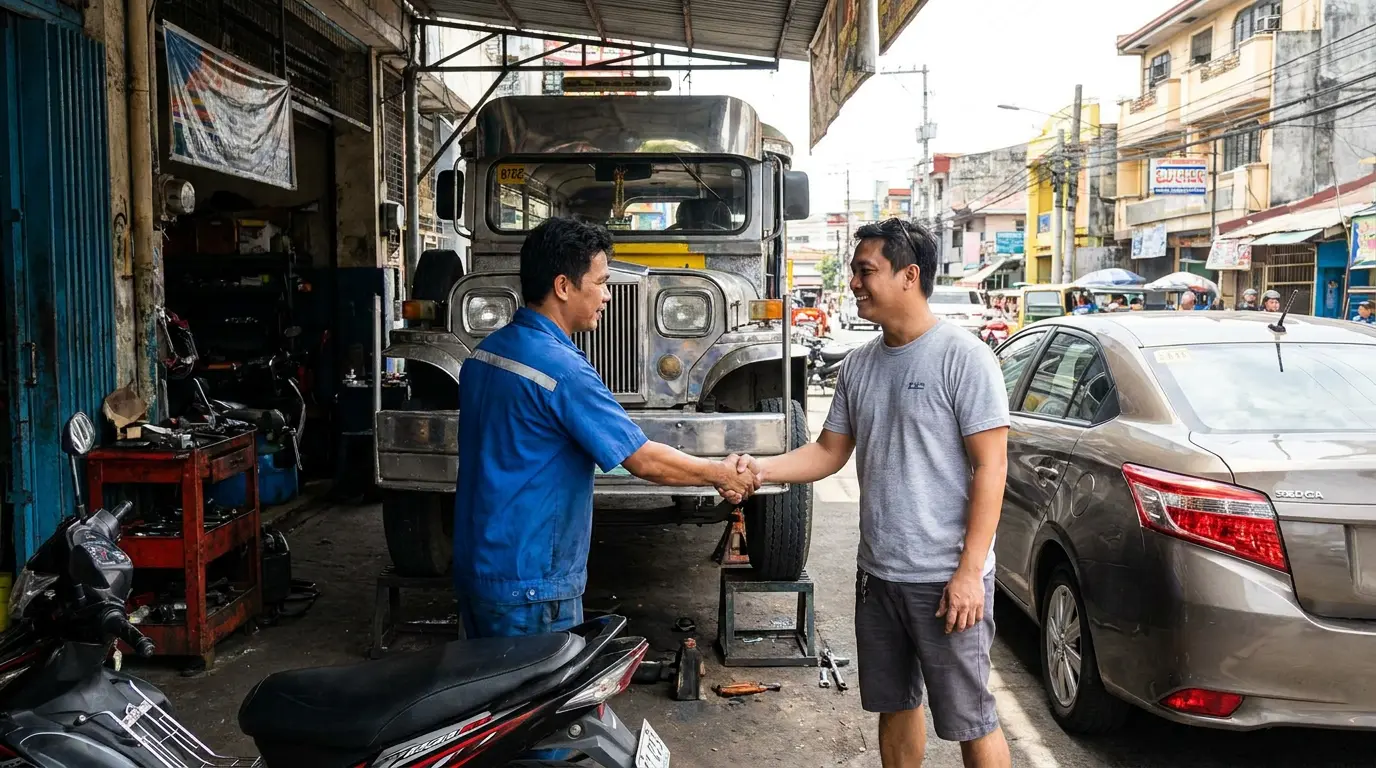 How to Choose a Trusted Auto Repair Shop in 2026
Step 1: Check for Specific Brand Expertise
Find a shop that specializes in your car. An independent mechanic who works exclusively on Japanese sedans might struggle to properly diagnose the complex electronics of a modern European SUV. Look for shops equipped with the exact OBD2 diagnostic scanners required for your brand.
Step 2: Read verified community reviews
Join local car club groups on social media. Car enthusiasts are fiercely protective of their vehicles; joining a Facebook group for your specific car model will instantly give you a curated list of the most trusted and heavily vetted mechanics in your city.
Step 3: Request Transparent Itemized Quotes
Demand exact price breakdowns. A trustworthy mechanic will separate the exact cost of the replacement parts from the hourly labor rate. If a shop gives you a vague "package price" and refuses to explain the specific brand of oil or brake pads they are using, find another shop.
Step 4: Inspect the Shop's Cleanliness
Look at how they treat their workspace. A shop with tools scattered everywhere, massive oil spills on the floor, and careless mechanics leaning on customer cars with greasy overalls will likely treat the internal components of your engine with the same lack of respect.
| Repair Shop Type | Best Used For | Cost Expectation |
| Official Dealership (Casa) | Cars under warranty, major recalls | High (Premium labor & OEM parts) |
| Specialty Independent Shop | Post-warranty European or complex cars | Medium (Expertise without casa markup) |
| General Neighborhood Shop | Basic brake pads and oil changes | Low (Cost-effective general labor) |
| Quick Lube Centers | Urgent, fast fluid top-ups | Medium (Convenient but limited scope) |
EXPERT TIP
Always ask the mechanic to place the old, broken parts in the trunk of your car after the repair is completed. This provides physical proof that the component was actually replaced and prevents dishonest shops from charging you for phantom parts.
COMMON MISTAKE
Do not ignore minor dashboard warning lights to save money. Delaying a ₱2,000 sensor replacement can force the engine to run inefficiently, eventually destroying your ₱30,000 catalytic converter.
Securing a reliable mechanic in the Philippines is the ultimate key to stress-free car ownership. By prioritizing transparent itemized quoting and leveraging local car club recommendations, you protect your vehicle from mechanical incompetence.
FAQS
Q1: Does servicing my car outside the casa void the warranty?
Yes, during the typical 3-to-5 year warranty period, having unauthorized independent shops touch the engine or electrical systems will instantly void your official manufacturer warranty.
Q2: What are OEM parts?
Original Equipment Manufacturer (OEM) parts are built directly by the car brand, guaranteeing perfect fitment and reliability compared to cheaper aftermarket alternatives.
Q3: Can I bring my own engine oil to the mechanic?
Most independent neighborhood shops allow you to bring your own specific oil brand and will simply charge you a "corkage" or labor fee for the actual oil change.
Q4: Why does the casa charge so much for labor?
Dealerships carry massive overhead costs, utilize brand-specific specialized tools, and provide continuous factory training for their technicians, which reflects in their premium hourly rates.
Q5: How often should I change my engine oil?
Standard synthetic blend oil should be changed every 5,000 kilometers or 6 months, while full synthetic oils can last up to 10,000 kilometers or 1 year.
Q6: What is a PMS?
PMS stands for Preventive Maintenance Schedule, which is a strictly guided timeline in your car's manual dictating exactly when fluids, belts, and filters must be replaced.
Q7: Can a diagnostic scanner fix my car?
No, an OBD2 scanner simply reads the error codes from the car's computer to point the mechanic in the right direction; physical repairs are still required.
Q8: Should I trust a mechanic who suggests bypassing a fuse?
Absolutely not. Bypassing electrical fuses is an extreme fire hazard; always insist on replacing busted fuses and finding the root cause of the electrical short.
Visit Motorist Philippines today to get a free, data-driven car valuation and navigate your vehicle ownership effortlessly!