Motorist Guide: Car maintenance tips you should not ignore this upcoming summer
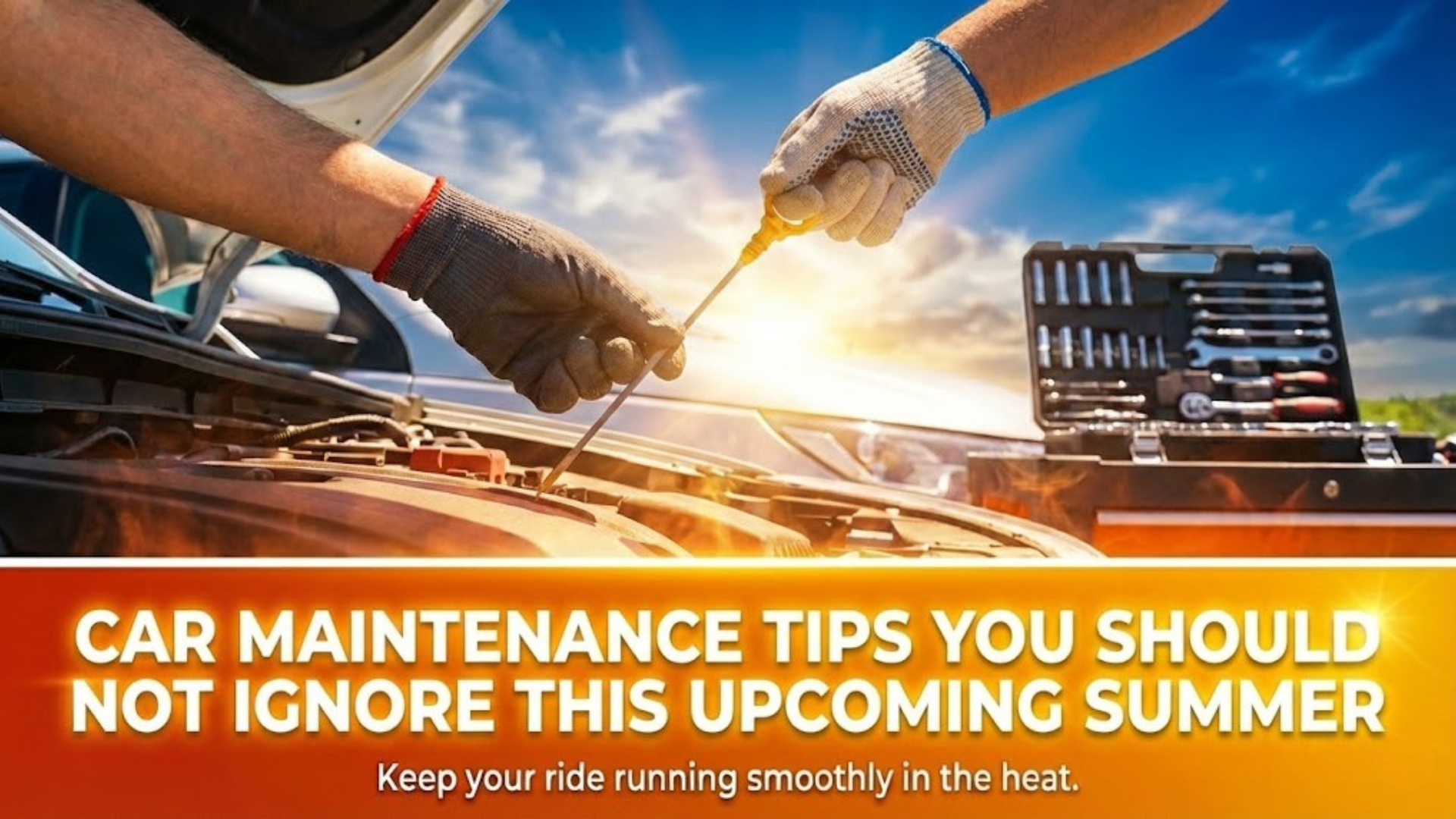
Properly Maintain Your Car This Upcoming Summer
Summer heat places hidden stress on your car, often causing problems long before warning signs appear. High temperatures can weaken batteries, strain engines, damage tyres, and reduce air-conditioning efficiency. Many drivers only realize something is wrong when their car breaks down in traffic or during long holiday drives, when repairs are most inconvenient and expensive. Proper summer maintenance helps prevent these issues early, ensuring your car remains safe, reliable, and comfortable throughout the hottest months of the year.
Why Summer Maintenance Is Important for Your Car
Hot weather accelerates wear on critical car components. Fluids thin out more quickly, rubber parts deteriorate faster, and engines must work harder to regulate temperature. Without proper maintenance, these conditions can lead to overheating, reduced fuel efficiency, and unexpected breakdowns. Taking the time to maintain your car during summer not only protects performance but also helps preserve long-term resale value.
Engine and Cooling System Checks
Checking Engine Coolant Levels
The cooling system plays a crucial role in preventing engine overheating during summer. Coolant helps regulate engine temperature, especially during heavy traffic and long drives. Low or contaminated coolant can cause the engine to overheat rapidly, leading to serious and costly damage. Ensuring that coolant levels are correct and in good condition is one of the most important summer maintenance steps.
Inspecting the Radiator and Hoses
Radiators and hoses are constantly exposed to heat, which causes rubber to expand, weaken, and crack over time. Small leaks or brittle hoses may not be noticeable at first but can fail suddenly under high temperatures. Regular inspection of hoses, clamps, and radiator condition helps prevent sudden coolant loss and engine overheating during summer driving.
Air-Conditioning System Maintenance
Testing Your Air-Conditioning Early
A functioning air-conditioning system is essential during summer, not only for comfort but also for driver focus and safety. Weak airflow, warm air, unusual smells, or strange noises often indicate early AC issues. Servicing the system before peak summer prevents compressor strain and avoids costly repairs when demand for AC servicing is highest.
Replacing the Cabin Air Filter
The cabin air filter affects how efficiently cool air circulates inside the car. When clogged with dust and debris, airflow is reduced, forcing the air-conditioning system to work harder. Replacing the cabin air filter improves cooling efficiency, enhances air quality, and reduces strain on the AC system, making it a simple but effective summer maintenance step.
Tire Care During Hot Weather
Monitoring Tire Pressure in Summer
Heat causes air inside tires to expand, increasing tire pressure beyond safe levels. Overinflated tires raise the risk of blowouts, while underinflated tires increase friction and uneven wear. Checking tire pressure regularly, especially before long drives, helps maintain stability, fuel efficiency, and safety throughout summer.
Inspecting Tire Condition and Tread
Tires exposed to constant heat are more vulnerable to cracking and tread deterioration. Even minor damage can worsen quickly under hot road conditions. Ensuring tires have sufficient tread depth and are free from visible damage improves grip, braking performance, and overall driving safety during summer months.
Battery and Electrical System Care
How Heat Affects Car Batteries
While many drivers associate battery failure with cold weather, extreme heat is often more damaging. High temperatures accelerate chemical reactions inside the battery, causing faster fluid evaporation and internal degradation. Batteries that appear fine may fail suddenly during summer, making pre-season testing especially important.
Checking Electrical Components
Electrical systems are sensitive to heat, and minor issues can escalate quickly. Ensuring that lights, sensors, power windows, and warning systems function properly helps avoid unexpected failures. Addressing electrical issues early prevents more complex problems caused by prolonged heat exposure.
Fluids That Need Attention in Summer
Engine Oil Performance in Hot Weather
Engine oil breaks down faster in high temperatures, reducing its ability to protect internal components. Old or insufficient oil increases friction and heat buildup inside the engine. Regular oil checks and timely changes ensure smooth engine operation and prevent long-term damage during summer driving.
Brake and Power Steering Fluids
Brake and power steering systems rely on stable fluid pressure to function safely. Heat can affect fluid quality, reducing braking efficiency and steering responsiveness. Maintaining proper fluid levels and condition helps ensure safe control, especially in heavy traffic and long-distance summer driving.
Protecting Your Car’s Exterior and Interior
Preserving Paint and Exterior Surfaces
Prolonged sun exposure fades paint, dries rubber seals, and damages exterior trim. Regular washing removes contaminants that intensify sun damage, while protective coatings help maintain your car’s appearance. Parking in shaded areas whenever possible further reduces exterior wear caused by heat.
Preventing Interior Heat Damage
Cabin temperatures can rise dramatically when cars are parked under direct sunlight. Excessive heat can crack dashboards, fade upholstery, and damage electronic components. Using sunshades, proper ventilation, and heat-protective accessories helps preserve interior condition and comfort.
Driving Habits That Help Protect Your Car in Summer
Avoiding Excessive Load
Carrying unnecessary weight increases engine strain and heat generation. During summer, this extra load makes cooling systems work harder, increasing the risk of overheating. Keeping the car light improves performance and fuel efficiency.
Monitoring Temperature Warnings
Temperature gauges and warning lights provide early signs of overheating. Ignoring these indicators can result in severe engine damage. Responding immediately by stopping and addressing the issue helps prevent costly repairs and breakdowns.
When Summer Maintenance Signals It May Be Time to Sell
In some cases, summer maintenance reveals deeper issues that may no longer be economical to fix. Persistent overheating, repeated AC failures, and rising repair costs often indicate that selling the car may be a more practical decision than continued maintenance. Recognizing this early helps avoid pouring money into a vehicle with declining reliability and value.
Expert FAQ Section
1. How often should I service my car during summer?
At least once before peak summer conditions begin. Additional checks are recommended for cars driven frequently or in heavy traffic.
2. Can hot weather really damage my engine?
Yes. Excessive heat can cause engine components to warp, seals to fail, and coolant systems to break down if not properly maintained.
3. Is it normal for tyre pressure to increase in summer?
Yes. Heat causes air to expand, which is why tyre pressure should be monitored more frequently during hot weather.
4. Should engine oil be changed more often in summer?
For vehicles driven regularly or under heavy conditions, shorter oil change intervals help maintain engine protection.
5. What is the most common summer-related car breakdown?
Engine overheating caused by cooling system failures is one of the most common summer breakdowns.
Maintain Smart or Sell Smart with Motorist Philippines
Proper summer maintenance keeps your car reliable, but when repair costs continue to rise, selling may be the smarter option. Motorist Philippines offers professional sell car services and free car valuations based on real market demand. Whether you choose to maintain or sell, having accurate information helps you make the right decision.